Practical · Last reviewed 11 September 2026
How to stay comfortable during a long flight, and what actually helps
Almost everything that determines how a long flight feels is decided before you board, and most of it is decided at booking. Seat position, routing and connection length do more for comfort than anything you can pack.
This page separates the things that measurably help from the things sold to travellers because they are easy to sell. It is written for the sectors that matter from Ireland, which means eight hours and up.
Section 1The decisions made at booking
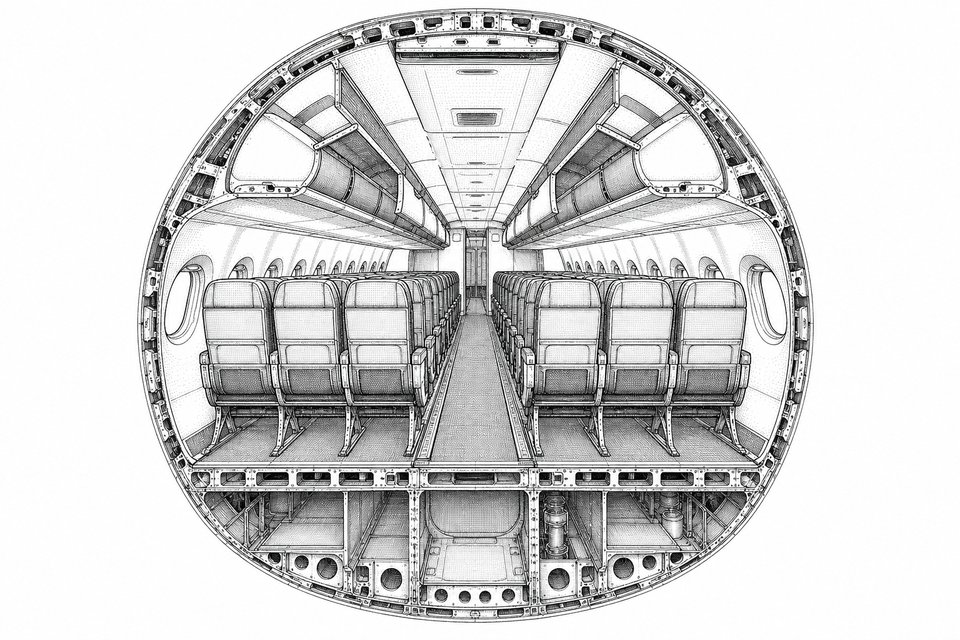
Seat position. On a night sector, take the aisle. The ability to stand up without climbing over a stranger is worth more over ten hours than a window is, and standing up is the single most useful thing you can do on a long flight. On a day sector the window wins, because you get something to lean on and control of the blind.
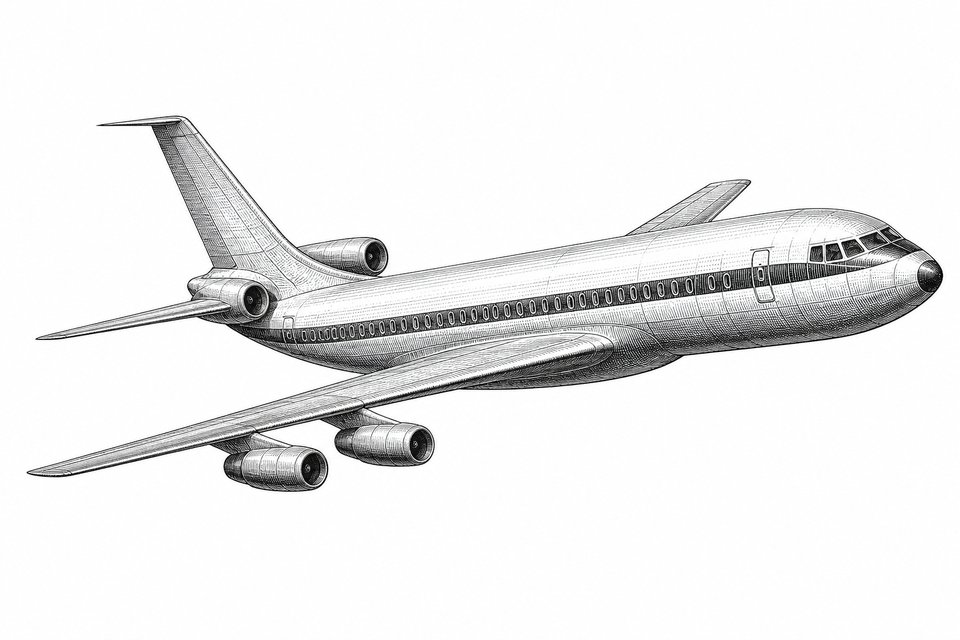
Avoid the row in front of an exit or a bulkhead where the seat does not recline, and be wary of the back rows near the galley, which are lit and busy all night. None of this is new: the same calculations were being made on the first jet-set routes of the late 1950s, on aircraft with far fewer seats worth choosing between. The bulkhead itself is a genuine upgrade for legroom and a genuine downgrade if there is a bassinet position attached to it.
Connection length. A ninety-minute connection that fails costs a day. A three-hour connection that holds costs ninety minutes. On any itinerary with two connections, buying the longer layover is the highest-value comfort decision available, and it costs nothing.
Arrival time. Where there is a choice, arrive in the morning. It gives you a full day of daylight to reset against, which is the mechanism that actually works. A late-evening arrival hands you a night of broken sleep and a wasted first day.
Section 2What helps on board
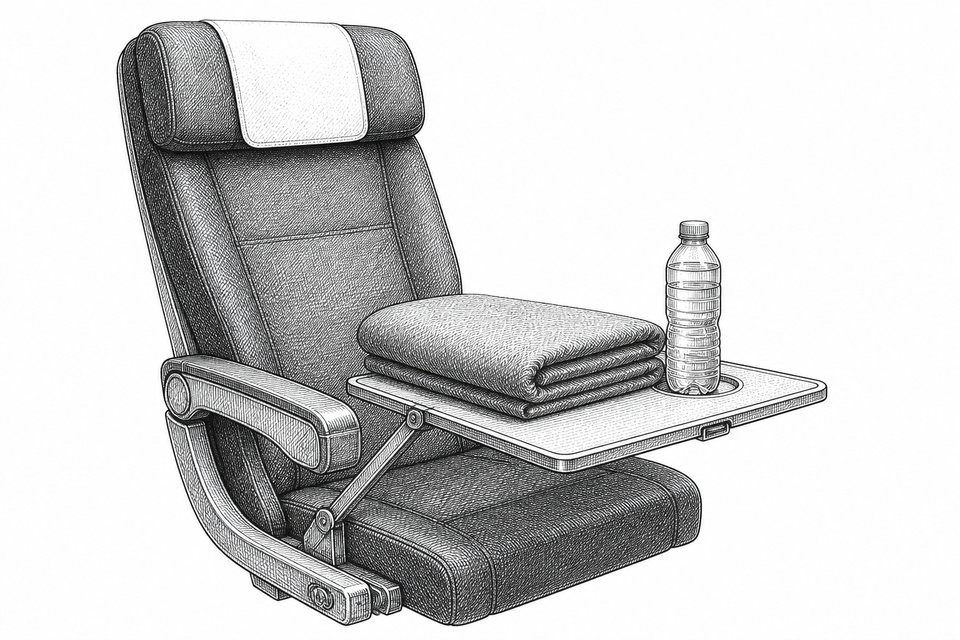
Water, constantly. Cabin air is drier than almost any indoor environment on the ground, which is the reason dehydration is the background cause of most in-flight discomfort. It is also why alcohol and coffee cost more in comfort at altitude than they do at sea level. A bottle bought after security removes the dependence on the trolley.
Movement. Standing up every couple of hours matters more than any stretch performed in the seat. This is the practical argument for the aisle: people in window seats move less, and they move less precisely when the flight is long enough that they should be moving more.
Compression socks. One of the few pieces of travel equipment that reliably does what it claims, and more useful on the second long leg than the first.
Warmth. Cabins run cold at night and airline blankets are thin. A layer you can put on and take off does more than any neck pillow.
Timing your sleep. Sleep to the destination's clock rather than to your own, and eat to it as well, which is easier than it sounds because it mostly means declining a meal rather than obtaining one. If the destination is asleep, sleep; if it is awake, stay awake even if the cabin is dark.
Section 3The twenty-four hours after landing
This is the half of the journey most people prepare for least, and it is where a trip is actually won or lost. The adjustment is a question of light rather than of sleep.
Get outside and stay outside until early evening. Daylight is the signal a body clock responds to, and no amount of resting in a hotel room substitutes for it. The instinct after a long flight is to lie down; the instinct is wrong.
Eastward travel is consistently harder than westward across the same number of time zones, because advancing a body clock is more difficult than delaying one. Dublin to New York is easier than the return, and Dublin to Asia is harder than either. Plan the first day accordingly rather than putting the demanding activity at the start.
The direction rule has a practical corollary worth using. On a westward trip, push bedtime later than feels natural on the first night; on an eastward trip, get morning light as early as possible and avoid it in the evening. Those two sentences are most of what the expensive advice on the subject amounts to.
A difference of under about three hours resolves itself within a day and does not need managing at all. Anything above six is worth taking seriously, and the rough rule of a day of adjustment per time zone crossed is pessimistic but not wildly so.
One nap is permissible on arrival day if it is short and early. A three-hour sleep at four in the afternoon guarantees a bad night and moves the problem to day two.
Section 4What is sold and does not help much
Neck pillows are the most purchased and least useful item in the category for most people. They hold the head upright, which is not the problem; the problem is that the seat does not recline far enough.
Elaborate seat-selection theories beyond aisle versus window produce diminishing returns quickly. Whether you are in row 34 or row 41 will not be what you remember about the flight.
Jet-lag supplements vary from plausible to decorative, and the light rule above outperforms all of them at no cost. Anything you intend to take that affects sleep is a pharmacist question, not a packing question.
Seat-back screens as a plan. They fail, the selection is a lottery and the headphone socket is frequently worn out. Anything you actually want to watch or read should be downloaded to your own device before you leave the house, which also means it survives a diversion or a long delay on the ground.
Complicated compression or posture equipment beyond socks. The evidence thins out quickly past that, and the space is better spent on the layer.
Arriving very early for a long-haul departure adds airport time to an already long day. Sensible margins are worth keeping, but three hours of departures lounge before an eleven-hour flight is thirteen hours of travelling, not eleven.
Section 5What is worth having in the cabin
A short list, because a long one defeats the purpose. Everything here earns its space on a sector of eight hours or more.
A refillable bottle, filled after security. It removes the dependence on the trolley, which is the actual obstacle to drinking enough.
A warm layer. Cabins run cold overnight and the blankets are thin. This does more for sleep than any dedicated sleep accessory.
Anything that blocks light and sound. An eye mask is small and effective. Noise-cancelling headphones reduce the low-frequency engine drone that produces a surprising share of the fatigue, and they work whether or not you listen to anything through them.
Lip balm and a small moisturiser, for the same dry-air reason as the water.
Medication, documents and one change of clothes in the cabin rather than the hold, on any itinerary with a connection. Bags miss connections more often than people do, and on a two-connection routing to somewhere like Fiji the odds are not negligible.
Something to eat that you chose. Meal timing on a long sector is set by the airline rather than by you, and the gap between services can be six hours. Having something in the bag means you can skip a meal to sleep without paying for it later.
A refillable bottle you can actually close one-handed. The cap design matters more than it sounds when the tray table is down and the person beside you is asleep.
A pen. Landing cards still exist on several long-haul routes and cabin crew run out of pens within about twenty minutes of handing them out.
A charged battery pack. Seat power is common and not universal, and it fails quietly on older aircraft. On a two-connection routing it also covers the hours in terminals, which is usually where the phone actually dies.
What is not on the list: a neck pillow, a travel blanket, and most of what an airport shop sells beside the departure gate.
One structural point about hand luggage on long sectors. Everything you want during the flight should be in a small bag that fits under the seat, not in the one going overhead. Standing up to open an overhead locker in a dark cabin is enough friction that most people simply do without whatever is up there, which defeats the point of having packed it.
Section 6Flying long-haul out of Ireland specifically
Dublin has one structural advantage that is easy to overlook when comparing fares. United States border preclearance operates there, and at Shannon, which means immigration and customs are completed before departure rather than on arrival. For a connecting itinerary inside the United States that removes the most common cause of a missed onward flight, and it turns a transatlantic arrival into a domestic one.
Eastbound the calculation is different, because everything routes through a hub and the question becomes which hub gives the most reliable connection rather than the fastest total time.
For where these flights actually go and how long each destination needs, see exotic holiday destinations. The furthest of them, and the hardest journey on the list, is covered on Fiji from Ireland.
Common questions
Which seat is best on a long flight?
An aisle seat on a night sector and a window on a day sector. The aisle lets you move without waking anyone, which matters more than the view when you are trying to sleep; the window gives you something to lean against and control over the blind when you are not.
Does drinking water actually help?
Yes, and cabin air is the reason. It is drier than almost any indoor environment on the ground, which is why alcohol and coffee cost more in comfort at altitude than at sea level.
Do compression socks work?
For most people on sectors over about eight hours, yes, and they matter more on the second long leg than the first. They are one of the few pieces of travel equipment that does what it claims.
What is the fastest way to get over jet lag?
Light, not sleep. Arriving in the morning and staying outside until early evening resets a body clock faster than any amount of lying down in a hotel room. Eastward travel is consistently harder than westward across the same number of time zones.
Should you take sleeping tablets?
That is a question for a pharmacist or doctor rather than a travel site. What can be said generally is that immobility is the risk on a long sector, and anything that deepens sleep also deepens immobility.